Hardware
What we make is the project's hardware — the name, the brand, the plan, the renderings, the site, the signs. The physical kit a project needs before it exists.
Concept, brand, renderings, lot layout, website and launch — the hardware a project needs to sell before the plat records. Published prices. Concept board in 7 working days, launch in 25.
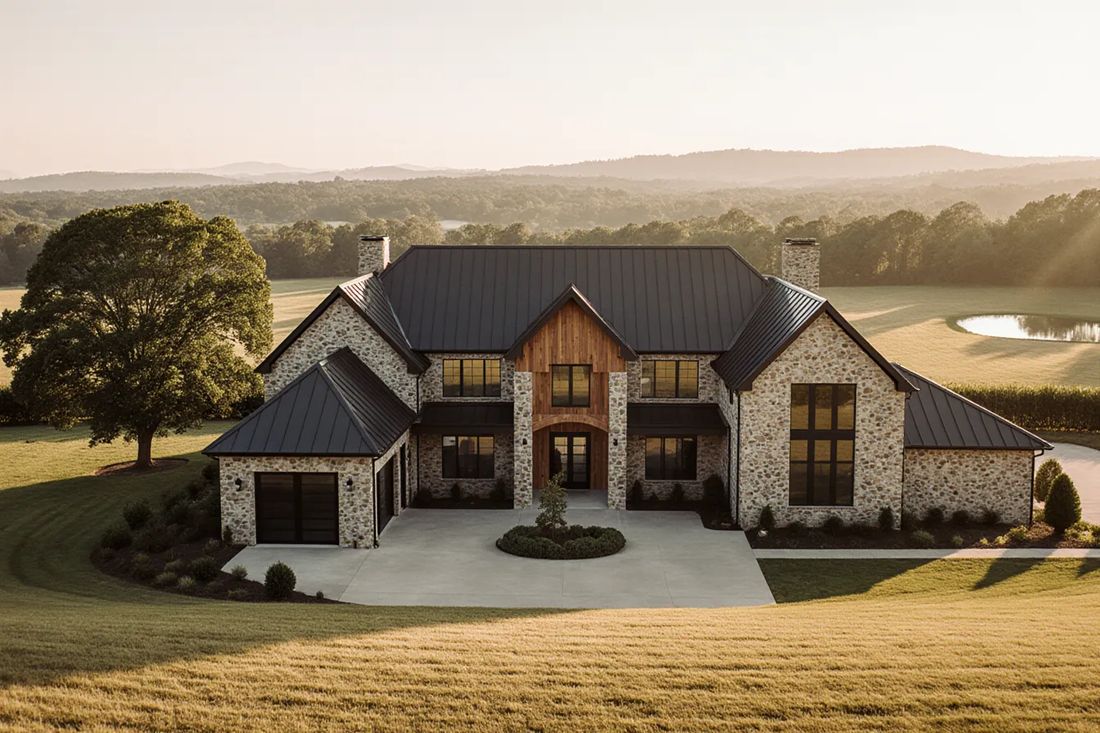
What we make is the project's hardware — the name, the brand, the plan, the renderings, the site, the signs. The physical kit a project needs before it exists.
Take your own lane. A project with its own name, look and price argument isn't competing in the general listings. And we stay in ours: land and residential presales — estate lots, subdivisions and neighborhoods — nothing else.
Where it all happens. One place that names it, brands it, draws it, prices it and launches it — one source of truth, so nothing can disagree.
Hardware Lane runs between Bourke and Lonsdale Streets in Melbourne and took its name from the hardware merchants who supplied the city's builders. Our founder grew up with it. The mark is the lane itself: two warehouses and the slot of light between them — which is also an H.
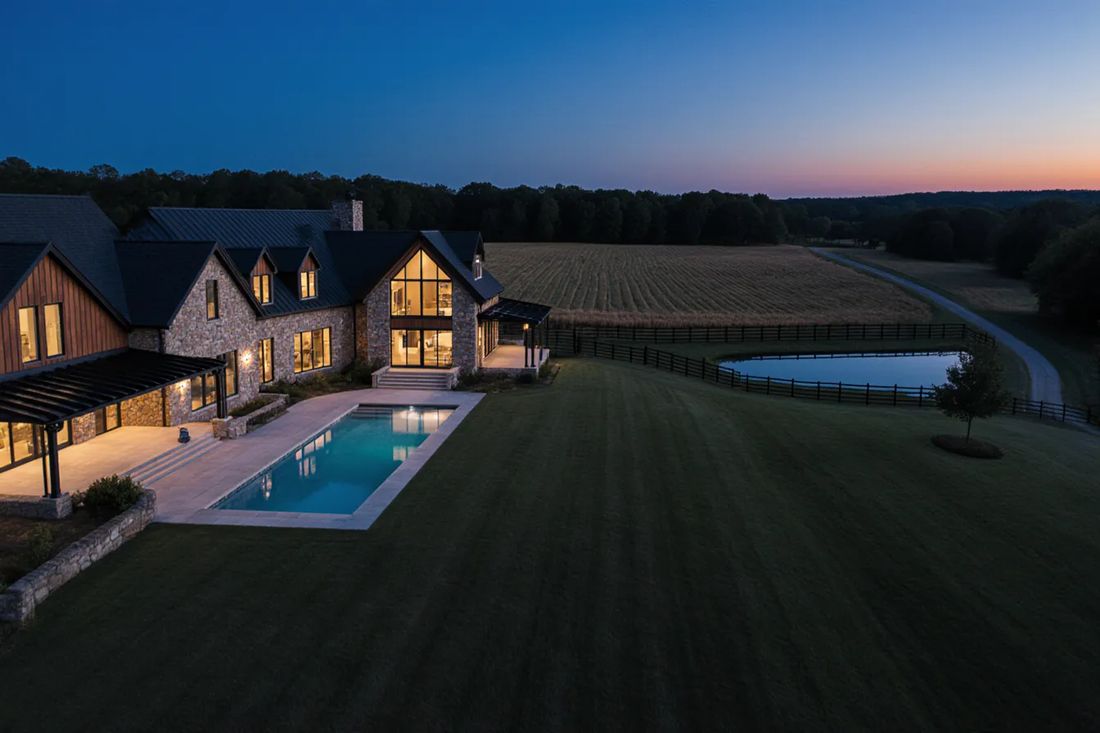
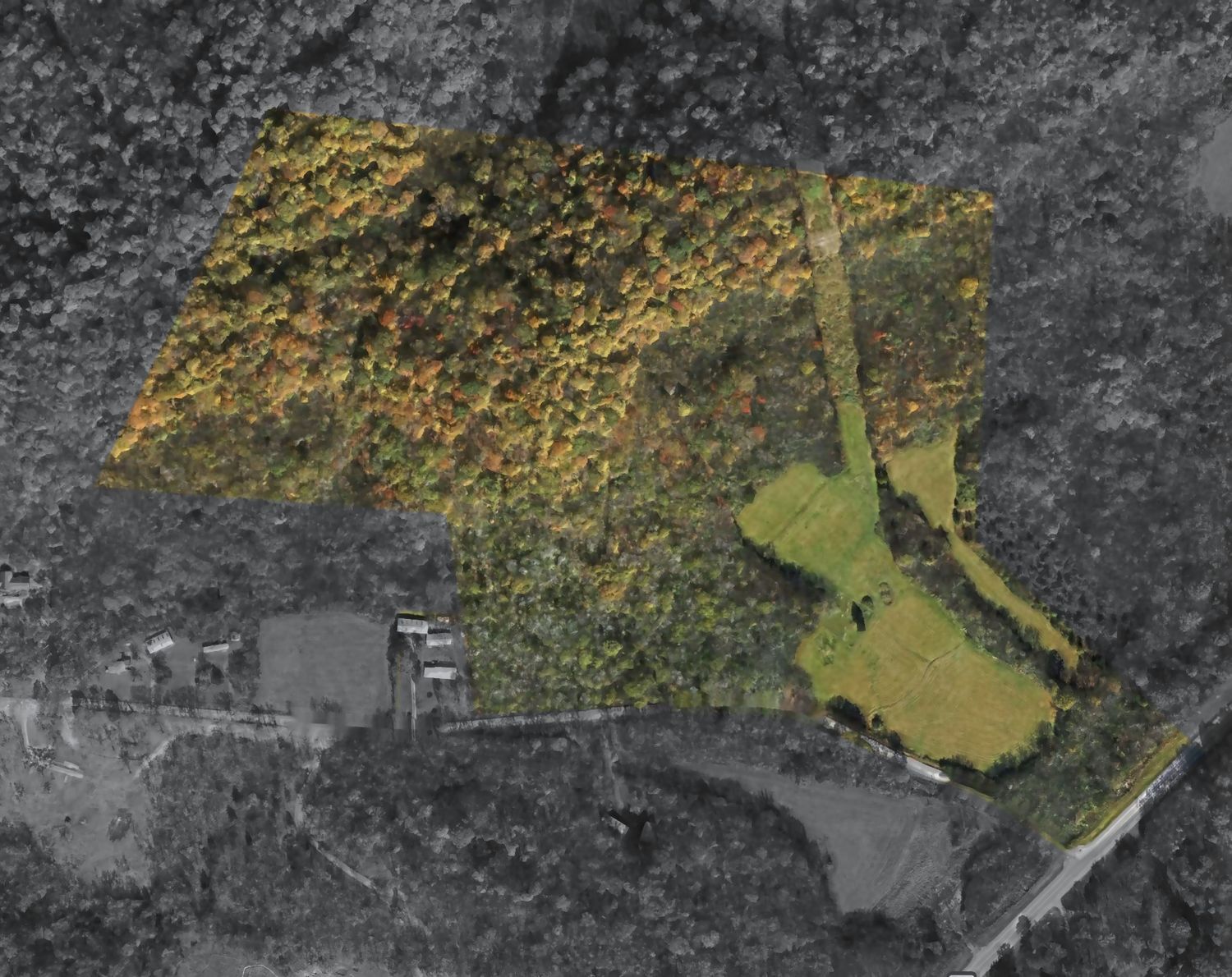
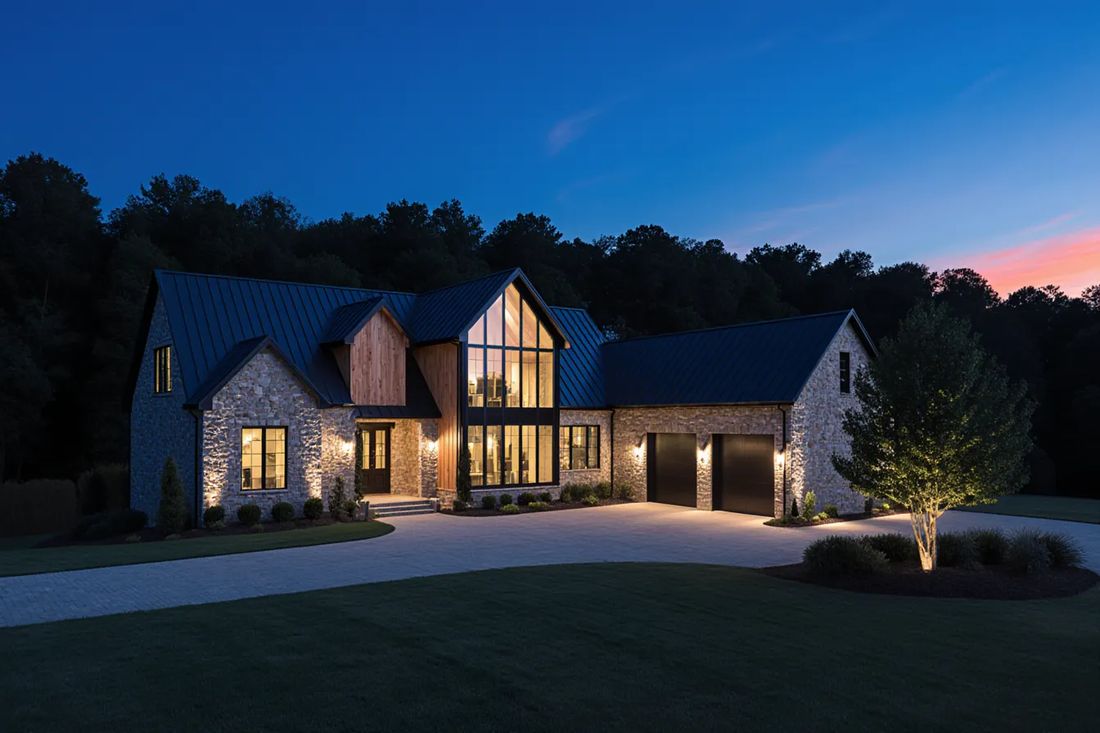
Our first case study is the founder's own development — the studio was built by doing this for ourselves first. Vesper at Snowbird Hollow: 58 acres, six estate parcels, a name, a brand, a traced site plan, fifteen renderings, two flyovers, a website, a brochure, a builder deck, signs, social and a price argument — in days. Every figure is real; every rendering is an artist's concept.

Take the whole kit or only the parts you are missing. Published prices either way — the three packages bundle the ones most projects need.
A name that fits the land, with the .com checked free before anyone falls in love with it.
Wordmark, palette, type and a standards file, so everything made after this matches.
The line that says what this is, and the words underneath it.
The tract cut into the lot sizes the market is actually short of.
What the comps support, lot by lot, from someone who sells land for a living.
Every parcel named, sized, priced and tabled for the site and the brochure.
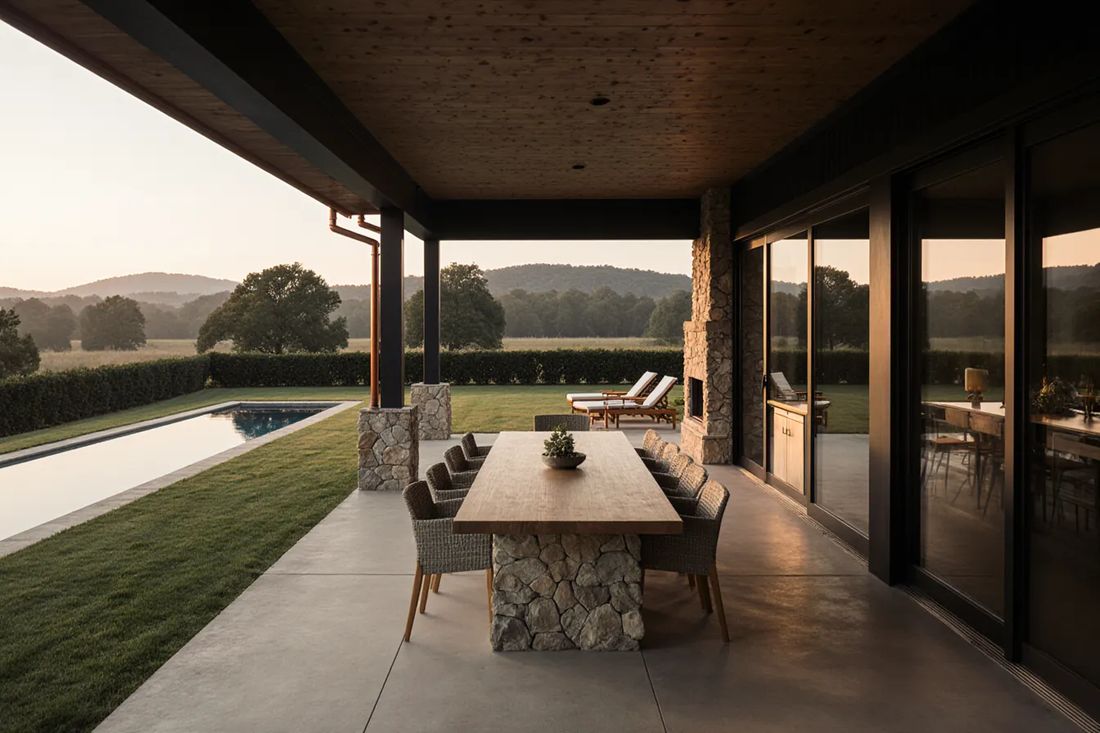
The building as it will stand on the real terrain, in the light that flatters it.
The rooms buyers ask about first — kitchen, great room, primary suite.
The drone shot you cannot fly yet.
Fifteen seconds, one continuous move, ambient sound, cut from the approved hero.
The windows warming as the light goes.
The arrival, from the road to the front door.
The survey redrawn so a buyer can read it at a glance.
Plans redrawn in the project palette, for the site and the brochure.
A site at the project’s own address, live before the plat records.
Tap a parcel, see the price and what is still available.
The PDF that goes to agents and buyers.
The same story, for the people funding it.
Boards for the road frontage, print-ready.
Tiles and captions for the first two weeks.
The form, where the leads land, and what happens to them next.
Who does what, in what order, on launch day.
Registered, pointed, secured and live — we handle it.
Not sure which of these your project needs? That is what the first call is for.
See the three packagesNamed for the milestones a project actually passes. Every package runs the same method and ends with a launch, not a handoff of files. Anything can be bought à la carte.
Through sellout. A retainer of $1,500–3,500 a month keeps the site, the aerials and the social current as lots go under contract — every status change is a rebuild and a post.
Every deliverable is built from one facts file — survey figures, parcel schedule, prices, names, copy — so the site, brochure, deck and signs can never disagree. A client who signs the brief on day two launches on day twenty-five.
A 45-minute call and an eight-block questionnaire. The real deadline, who actually buys, the price you believe.
Names with domains checked, a direction board of six complete routes, the price argument we intend to make.
Mark, lockups, palette, type and a standards sheet. Files in every format you will ever be asked for.
The interactive site plan traced over the aerial, the rendering set, the photography day.
Website, brochure, deck, signage and social — from the same source, in one build.
Deployed on your domain, playbook in hand, the first post scheduled. Then the retainer, if you want it.
Half on signing, half at launch. Two revision rounds per deliverable. The work is yours on final payment; the site lives on your domain, so if you ever leave, you keep it.
Luke Chadwick has spent thirty years in real estate — as a broker running project sales, as a principal, and for the last several years as a land developer in Williamson County, Tennessee, buying raw tracts, cutting them into estate lots and selling them under their own names. He is also a licensed auctioneer, which is another way of saying he has watched a market set a price in real time more often than most.
Hardware Lane Studio exists because the presales kit he built for his own projects — the brand, the traced site plan, the renderings, the price argument — was the thing other developers kept asking for. Born in Melbourne; named for the laneway where the city's builders bought their tools.
Eight questions to begin. We come back within two working days with a written brief, a package recommendation and a dated schedule. No obligation until the brief is signed.
hardwarelanestudio.com · Franklin, Tennessee